
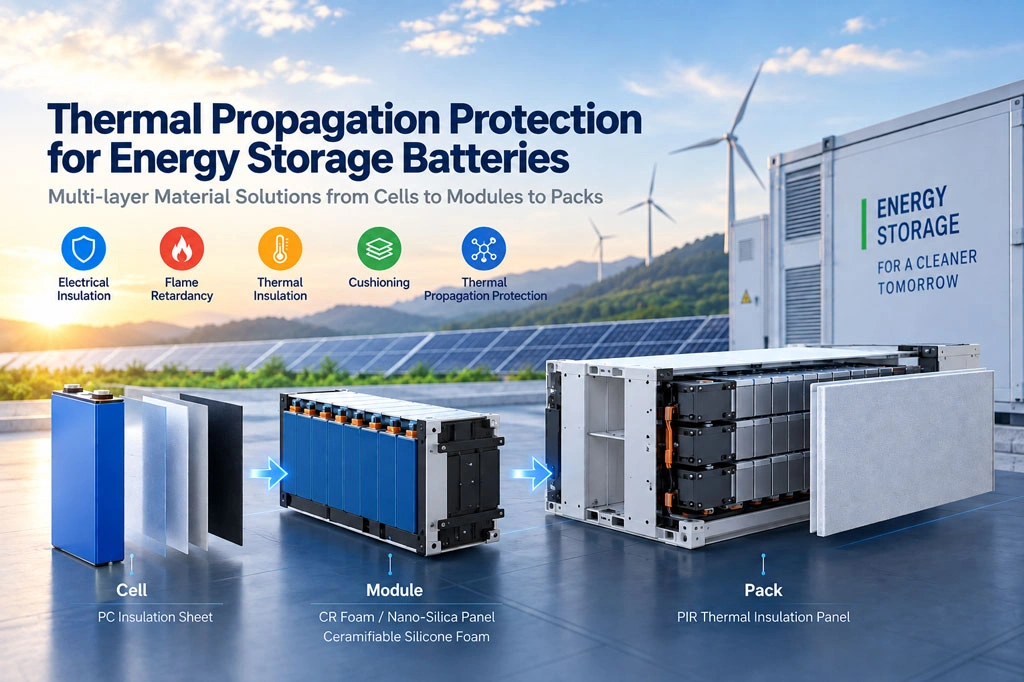
Energy storage systems typically consist of a large number of battery cells that are progressively integrated into complete battery systems through different structural levels, including cells, modules, and battery packs. As system capacity and energy density continue to increase, achieving electrical insulation, flame retardancy, thermal insulation, cushioning, and thermal runaway protection within limited space has become an important consideration in energy storage battery design.
In particular, when an individual cell experiences abnormal temperature rise or thermal runaway, safety protection materials need not only to protect adjacent structures but also to minimize the rate at which heat propagates to surrounding cells and modules, providing additional protection for the overall system.
To address these requirements, Betterial has developed a comprehensive safety protection material solution covering different structural levels of lithium-ion energy storage batteries, from cell-to-cell protection and module-level protection to battery pack protection. Through the coordinated use of different functional materials, the solution provides electrical insulation, flame retardancy, thermal insulation, cushioning, and thermal propagation protection.
1. Why Do Energy Storage Batteries Need Layered Protection from Cell to Pack?
Battery safety is not limited to any single component.
In a complete energy storage battery system, cells are arranged closely together, multiple cells form a module, and multiple modules are further installed inside a battery pack. As a result, different locations face different safety risks and material requirements.
For example:
- Between cells: Greater emphasis is placed on electrical insulation, flame retardancy, and safe isolation between adjacent cells.
- At the module level: Materials need to provide cushioning and thermal insulation while also helping control thermal propagation following thermal runaway.
- At the pack level: Thermal insulation, cushioning, lightweight design, and overall safety protection need to be considered across a larger structural area.
This means that relying on a single thermal insulation or flame-retardant material is generally insufficient to address all the safety requirements of an energy storage battery system.
A more effective approach is to select appropriate materials according to the specific risks faced at the cell, module, and pack levels, thereby establishing a multi-layer safety protection system.
Betterial’s energy storage battery safety protection material solution is built around this concept.
2. Cell-to-Cell Protection
Inside an energy storage battery module, a large number of cells are arranged in close proximity. Reliable electrical isolation is therefore required between cells and between cells and other structural components.
For this reason, the primary requirements for cell-level protection materials are electrical insulation and flame retardancy.
PC Insulation Sheet
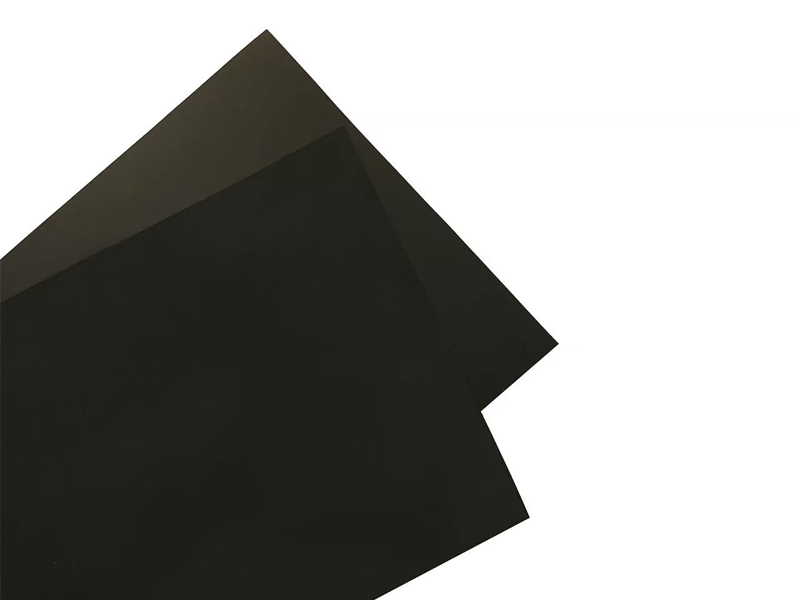
Betterial PC flame-retardant insulation sheet combines electrical insulation with flame-retardant performance and can be used for insulation protection inside lithium-ion energy storage batteries.
The material is available in thicknesses ranging from 0.05 to 1.0 mm and achieves a V-0 flame-retardant rating.
In battery cell and related structural designs, PC insulation sheets can serve as a fundamental safety barrier in several ways:
1. Electrical Insulation
By forming an insulating layer between battery cells and conductive structures, the material helps reduce the risk of unintended electrical contact between different components.
2. Flame-Retardant Protection
Its V-0 flame-retardant performance helps meet the internal flame-retardant protection requirements of energy storage batteries.
3. Thin and Space-Efficient Design
For highly integrated energy storage modules, safety materials must provide protection while minimizing the space they occupy. A wide range of available thicknesses allows engineers to select suitable specifications according to different cell structures and insulation requirements.
3. Module-Level Protection
Compared with basic cell-to-cell insulation, the safety environment at the module level is more complex.
During long-term charging and discharging, temperature cycling, and exposure to mechanical loads, materials are required to help accommodate dimensional changes and mechanical stress. At the same time, if a cell experiences abnormal heating or thermal runaway, the materials should help minimize the risk of rapid heat propagation to surrounding areas.
For module-level protection, Betterial provides:
CR foam, nano-silica composite thermal insulation panels, and ceramifiable silicone foam.
3.1 CR Foam
CR foam provides flexibility and can be used in areas within cells and modules where cushioning, gap filling, and thermal insulation are required.
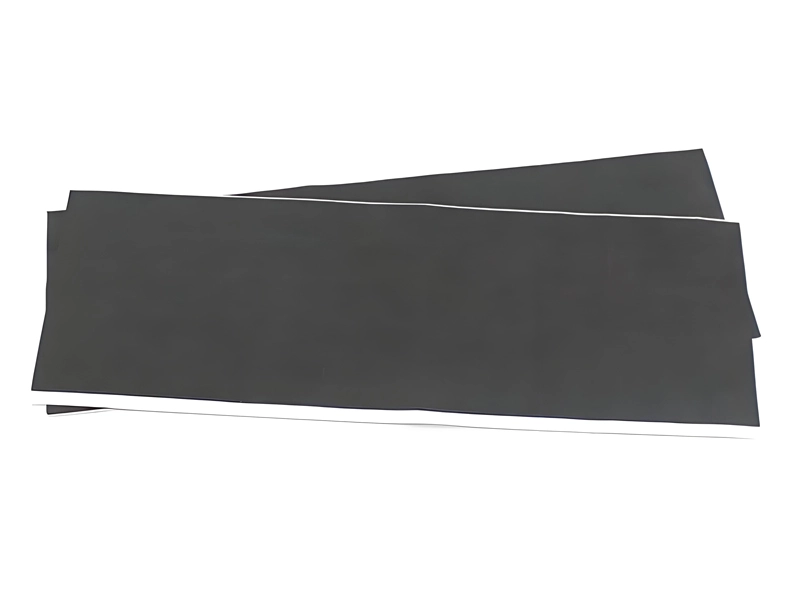
Betterial CR foam has a thermal conductivity of ≤0.04 W/(m·K). It remains free of cracks at 120°C, with a high-temperature shrinkage rate of ≤4%. When the thickness reaches 5 mm or more, the material can achieve a V-0 flame-retardant rating.
Its primary functions include:
- Cushioning mechanical stress between cells;
- Accommodating certain dimensional changes;
- Filling structural gaps;
- Reducing rapid heat transfer;
- Providing flame-retardant protection.
Under normal operating conditions, CR foam therefore primarily provides a combination of cushioning + thermal insulation + flame retardancy.
3.2 Nano-Silica Composite Thermal Insulation Panel
When battery safety design places greater emphasis on preventing thermal runaway propagation, thermal insulation materials need to withstand much more demanding temperature conditions.
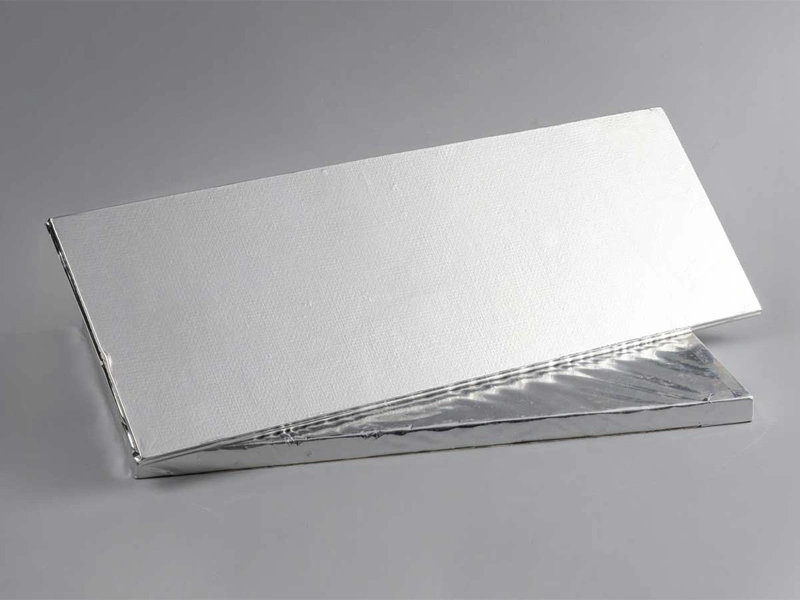
Betterial nano-silica composite thermal insulation panels have a thermal conductivity of ≤0.023 W/(m·K) at 25°C and ≤0.35 W/(m·K) at 800°C, with a maximum service temperature of up to 1200°C.
These materials can form thermal barriers at critical locations within cells or battery modules.
When localized high temperatures occur, the primary function of the insulation panel is not to eliminate thermal runaway itself, but to reduce the rate at which heat transfers to adjacent areas, thereby helping delay thermal propagation.
This is particularly important for high-energy-density energy storage systems.
If a single cell generates a large amount of heat and adjacent cells rapidly absorb that heat, the risk of thermal runaway propagation may increase. Therefore, installing high-performance thermal insulation materials at appropriate locations can provide an additional line of defense for module-level thermal safety.
3.3 Ceramifiable Silicone Foam
Ceramifiable silicone foam provides another approach to thermal runaway protection.
Under normal operating conditions, it maintains the flexibility and cushioning properties required of a foam material. However, when exposed to extremely high temperatures or flames, the material can undergo a ceramification process, forming a fire-resistant ceramic barrier on its surface and thereby enhancing protection under high-temperature conditions.
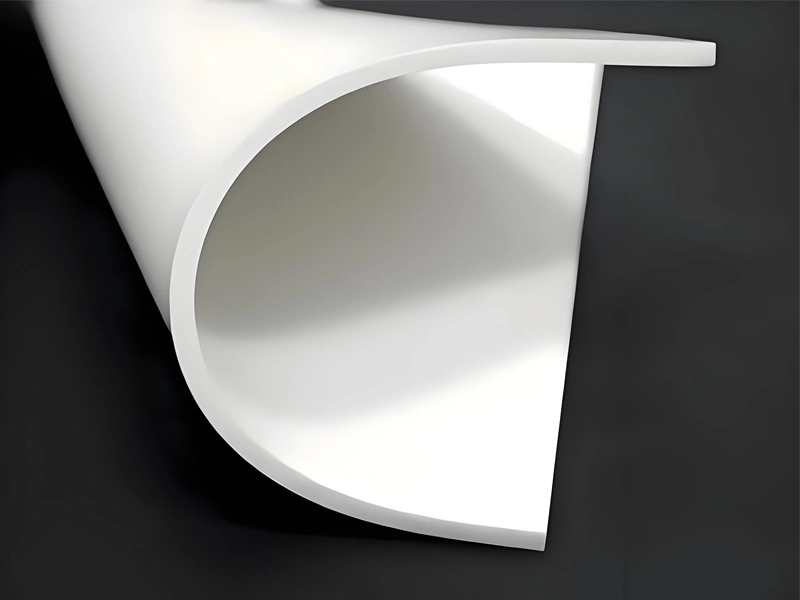
Betterial ceramifiable silicone foam achieves a V-0 flame-retardant rating, with a volume resistivity of ≥1.0 × 10¹⁴ Ω·cm, dielectric breakdown strength of ≥2.0 kV/mm, and thermal conductivity of ≤0.12 W/(m·K).
This material can therefore simultaneously provide:
- Flexible cushioning;
- Electrical insulation;
- Flame retardancy;
- Thermal insulation;
- Ceramified protection under extreme temperatures.
Its value becomes particularly apparent under abnormal operating conditions.
Under normal conditions, the material provides structural cushioning. When temperatures rise sharply, it can further form a fire-resistant barrier. This functional transition from a flexible material to a high-temperature protective layer makes it suitable for energy storage battery structures with demanding thermal runaway protection requirements.
4. Pack-Level Protection
Beyond the cells and modules is the complete battery pack.
A battery pack contains multiple battery modules as well as associated electrical, thermal management, and structural components. Therefore, pack-level protection materials must provide not only thermal insulation but also cushioning, weight reduction, structural stability, and protection across larger areas.
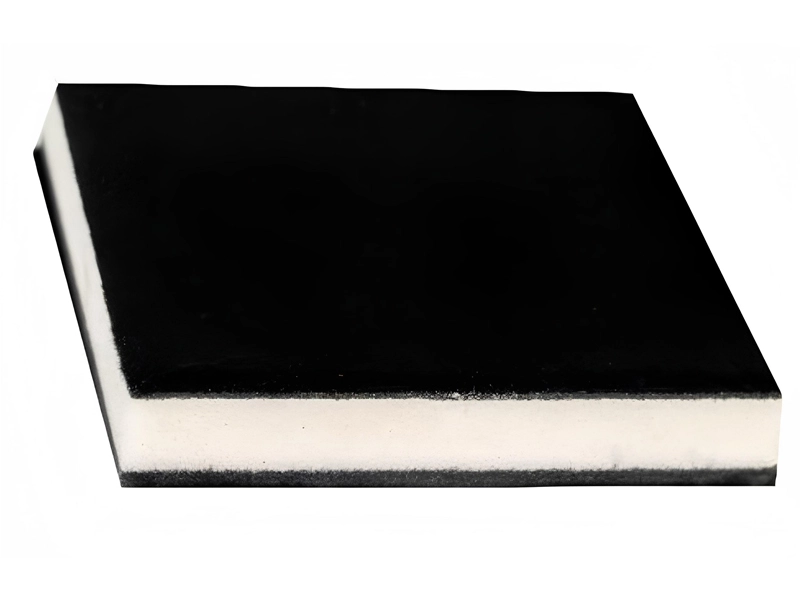
For this level, Betterial provides PIR thermal insulation and cushioning panels, with a thermal conductivity of 0.018–0.023 W/(m·K), combining lightweight thermal protection with impact absorption capabilities.
Within a battery pack, PIR thermal insulation and cushioning panels can be used to establish larger thermal protection areas and primarily provide:
- Thermal insulation inside the battery pack;
- Cushioning between modules and pack structures;
- Reduced propagation of external or localized heat;
- Absorption of certain mechanical impacts;
- Lightweight structural protection while meeting safety requirements.
Therefore, while PC insulation sheets primarily address localized electrical safety and module-level materials focus on cushioning and thermal propagation protection, PIR thermal insulation and cushioning panels extend the protection system to the entire battery pack.
5. From Individual Materials to a Multi-Layer “Cell–Module–Pack” Protection System
Energy storage battery safety is not simply a matter of selecting the material with the lowest thermal conductivity.
Different materials perform different functions.
Betterial’s energy storage battery safety protection material solution can be summarized as follows:
| Protection Level | Betterial Material | Main Functions |
|---|---|---|
| Cell-to-cell | PC Insulation Sheet | Electrical insulation, flame retardancy |
| Module | CR Foam | Cushioning, gap filling, thermal insulation, flame retardancy |
| Module | Nano-Silica Composite Thermal Insulation Panel | High-performance thermal insulation, high-temperature thermal barrier, delayed thermal propagation |
| Module | Ceramifiable Silicone Foam | Cushioning, insulation, flame retardancy, thermal insulation, high-temperature ceramified protection |
| Battery Pack | PIR Thermal Insulation and Cushioning Panel | Large-area thermal insulation, cushioning, lightweight structural protection |
Through this combination of materials, a multi-layer safety protection pathway can be established:
Cell-to-cell insulation → Module cushioning → Module thermal insulation → Thermal runaway propagation barrier → Overall pack-level thermal insulation and cushioning
Conclusion
From PC insulation sheets between battery cells to CR foam, nano-silica composite thermal insulation panels, and ceramifiable silicone foam inside battery modules, and finally PIR thermal insulation and cushioning panels at the pack level, Betterial has established a comprehensive safety protection material system for different structural locations within lithium-ion energy storage batteries.
Through the coordinated use of functional materials providing electrical insulation, flame retardancy, cushioning, thermal insulation, and thermal propagation protection, safety barriers can be progressively established from the cell level to the module level and ultimately across the entire battery pack, providing a more systematic material solution for energy storage battery systems.
For more information about the products and technical specifications, please visit Betterial’s Lithium Battery and Energy Storage Safety Protection Material Solution.